Share Investing basics 101
What are shares ?
Shares a parts of a company traded on open stock market exchanges and OTC(over the counter ).
Each share represents 1 share in a company. Its value is determined by the net worth of the company also called the shareholders equity divided by the total number of shares issued to investors.
There are different share types
Ordinary shares – The most popular one where shareholders are allowed to vote on meetings and receive dividends , but if the company doesn’t issue a dividend they aren’t eligible to demand one.
Preference shares -Superior to ordinary shares, they have the priority rights to receive fixed dividends and their capital could be returned if the company goes into liquidation.
Redeemable Preference Shares-Where shareholders have the right to redeem their holdings in case of insolvency and get their shareholder capital back through issue new share issuance or asset selloff.The company has the right to redeem-buy back the shares back from the shareholders in due date .The timing will be laid out in the investors prospectus.
Convertible Preference shares- Preference shares that give you the right to convert them in the future into ordinary shares.Preference shares give lower dividend that ordinary as they are guaranteed.
https://www.acra.gov.sg/how-to-guides/shares-and-updating-share-information/different-types-of-shares
What are dividends ?
Dividends are payments a company gives out to its shareholders after its makes a profit.They can come in quarterly , semi annually or even annually, most come in semi annual payments. Some companies don’t even pay out dividends to their shareholders as they could have made a loss or are strategically not paying out dividends and just reinvesting their profits . Investors can take advantage of this too through capital gains, as the company’s share price can rise rapidly and allow investors to sell at a future date and keep their profits.
What’s ex-dividend and record date?
There are actually four major dates in the process of a dividend distribution:
- The declaration date is the day on which the board of directors announces the dividend.
- The ex-date or ex-dividend date is the trading date on (and after) which the dividend is not owed to a new buyer of the stock. The ex-date is one business day before the date of record.
- The date of record is the day on which the company checks its records to identify shareholders of the company. An investor must be listed on that date to be eligible for a dividend payout.
- The date of payment is the day the company mails out the dividend to all holders of record. This may be a week or more after the date of record.
Investopedia
https://www.investopedia.com/ask/answers/042915/what-difference-between-record-date-and-exdividend-date.asp
Australian Taxation rules for dividends
Rules are simple In Australia for your dividends, if you invest in a company that pays its fair share of tax which is around 30% you are eligible to for franking points. It varies on each company ,some companies provide 100% whilst some around 50%.
Let’s do some examples.
You have 5000 income from dividends.
Your franking credits are at a 100%. You receive a 30% dividend imputation credit as your company paid full Australian company tax which gets claimed as a tax refund.
5000*(30/70)=2143
Taxable income 5000+2143=7143
Let’s say you are at the 15% income tax bracket.
TI*0.15% = 1972 Tax payable
TP-Franking credits rebate
1972-2143= (171) REFUND
Therefore you are eligible for a tax refund .
At 32.5% income tax bracket
TI = 2321 Tax Payable
TP-Franking credits Rebate
2321-2143=178 TAX PAYABLE
More explanation
HR Block
https://www.hrblock.com.au/tax-academy/tax-on-dividends-investment-shares
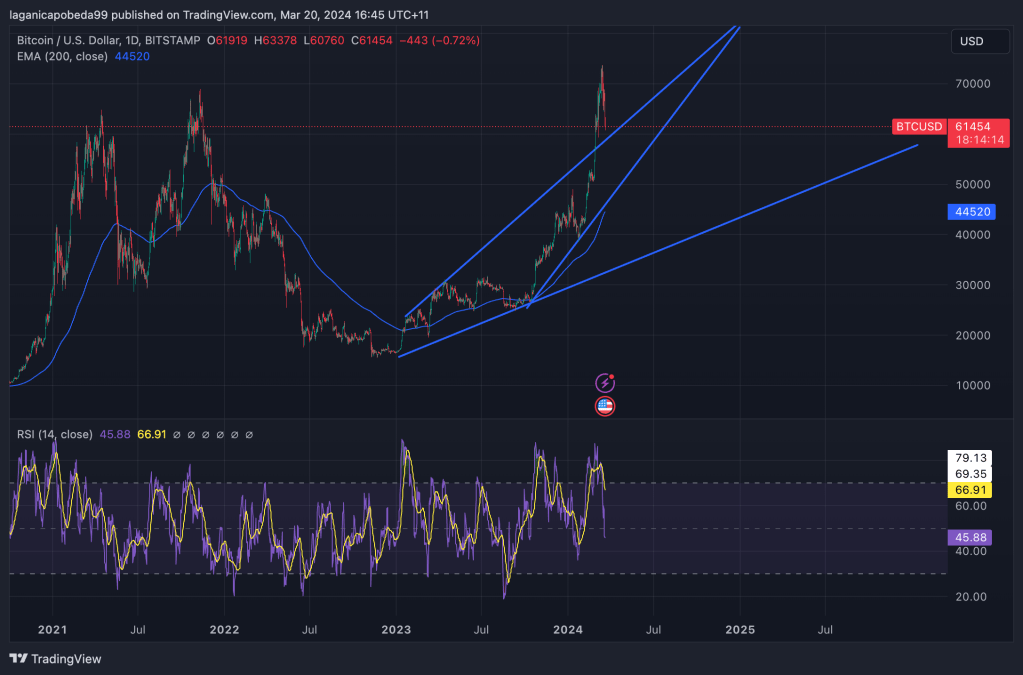
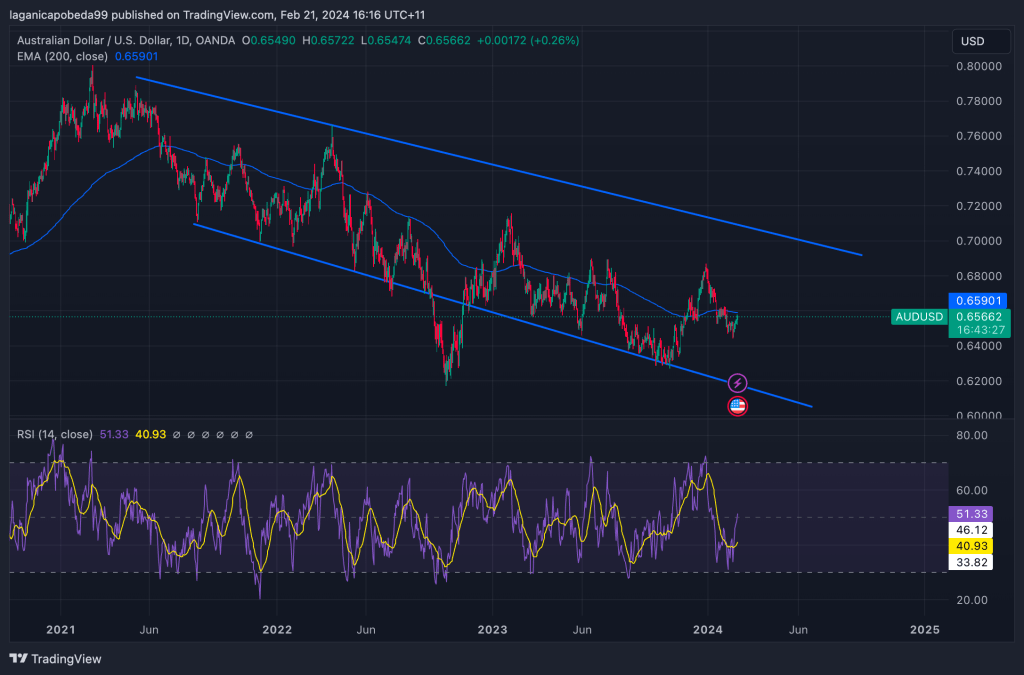


 Mountain Tech Analysis